


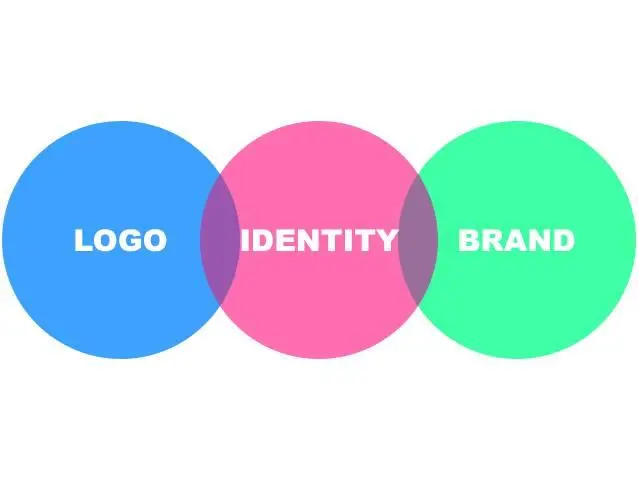
The difference between a logo, identity, and brand
-
 By Ahmed Gaber
 - Oct 15, 2025
- 5 minutes read
- 791 Views
In the modern marketing world, many people confuse the concepts of logo, brand identity, and brand, often using these terms interchangeably despite their distinct meanings and roles.
A logo is the visual symbol designed specifically to represent a company’s identity uniquely and make it easily recognizable. A brand, however, is a much broader concept — it encompasses the company’s values, messaging, customer experience, and the overall perception formed in people’s minds when interacting with its products or services.
What Is a Logo?
A logo is the visual element that represents a company or brand in a concise and appealing way. It can be composed of text, symbols, images, or a combination of these elements, and is used consistently to distinguish a business from others in the market.
The logo is one of the most important elements of visual identity, as it’s often the first thing customers notice — and remember — making it a key tool for building a strong, consistent image.
Importance of a Logo
Differentiation: Helps distinguish the company or product from competitors.
Professionalism: Gives the brand a serious and trustworthy appearance.
First Impression: Quickly conveys the nature and values of the business.
Loyalty: Makes the brand more memorable and strengthens customer connection over time.
Types of Logos
Wordmark
Uses the brand name written in a unique, professional font.
Examples: Google – Coca-Cola – Visa
Features: Simple, recognizable, and ideal for brands with distinctive names.
Lettermark
Composed of the company’s initials (usually 2–3 letters).
Examples: IBM – CNN – HBO
Features: Perfect for long names, easy to remember, and concise.
Brandmark
Relies solely on an icon or symbol without text.
Examples: Apple – Twitter – Instagram
Features: Elegant and minimalist but requires strong recognition to stand alone.
Combination Mark
Combines text and symbol in one design.
Examples: Adidas – Burger King – Lacoste
Features: The most common and flexible type; allows independent use of text or symbol.
Emblem
Features text integrated within a shape or frame (like a badge or seal).
Examples: Starbucks – Harley-Davidson – BMW
Features: Conveys heritage and prestige; often used by institutions or legacy brands.
Why Is a Logo Important for a Business?
A logo is not merely an aesthetic element — it’s a strategic tool that directly influences a business’s market image and success.
First Impressions Last: The logo is the first visual encounter customers have with a brand. A strong, professional logo grabs attention and is easy to recall.
Standing Out: A distinctive logo makes your business memorable, even after a single interaction.
Building Trust: A well-designed logo reflects credibility and professionalism — crucial for startups.
Supporting Visual Identity: The logo is part of the broader visual identity (colors, typography, style). A cohesive identity strengthens brand recognition.
Enhancing Marketing Efforts: A recognizable logo reinforces brand connection in ads, packaging, and social media.
Consistency Across Touchpoints: Appears on websites, packaging, business cards, and all customer communications — reinforcing brand presence everywhere.
What Is a Brand?
A brand is a complete identity that distinguishes a company or product from others. It may include a name, symbol, design, or combination of these elements, serving to differentiate it in the marketplace. It also provides legal protection, builds trust, and fosters loyalty.
Types of Brands
Trademark: Distinguishes physical products (e.g., Nike logo on shoes).
Manufacturing Mark: Identifies the manufacturer, even if marketed under a different name.
Service Mark: Differentiates services (e.g., Uber, insurance, marketing).
Core Components of a Brand
Trade Name: Memorable, easy to pronounce, and unique (e.g., Zara, Pepsi).
Logo: The visual symbol (e.g., Apple’s apple, Nike’s swoosh).
Colors: Fixed brand palette (e.g., Facebook blue, Coca-Cola red).
Typography: Font style that reflects the brand’s personality.
Tone & Voice: Communication style — formal, friendly, inspirational.
Tagline: Short, catchy phrase (e.g., Nike – Just Do It).
Values & Vision: Guiding principles and long-term direction.
Customer Experience: Every interaction that shapes trust and loyalty.
How to Build a Strong Brand for Your Digital Business
Define Your Identity: Know who you are, what you offer, and your target audience.
Choose a Distinctive Name: Short, clear, and relevant with an available domain.
Design a Professional Visual Identity: Logo, colors, fonts, and imagery style.
Craft a Consistent Tone of Voice: Reflects your brand personality across all channels.
Establish a Unified Digital Presence: Use consistent design and messaging across website, social media, and emails.
Deliver a Consistent Experience: Provide value, maintain quality, and engage authentically.
Protect Your Brand Legally: Register your logo and name to safeguard ownership.
Visual vs. Brand Identity
Visual Identity: The visible part of a brand — logo, colors, fonts, imagery, packaging.
Brand Identity: The full personality — values, vision, tone, customer experience.
Example: Coca-Cola’s red and script font instantly evoke emotion and nostalgia — a powerful blend of visual and brand identity.
Core Pillars of Brand Identity
Vision: The future goal (e.g., To be the leading modest fashion brand for Arab women).
Mission: What the brand offers and to whom.
Values: Foundational principles like honesty, innovation, and trust.
Personality: The human-like traits of the brand (friendly, bold, elegant).
Tone of Voice: Communication style (professional, youthful, fun).
Promise: What customers can always expect.
Story: The brand’s origin and purpose, used to build emotional connection.
Difference Between Logo, Brand, and Identity
Logo: The visual symbol (e.g., Apple’s apple).
Brand: The perception or emotional connection people have with a company.
Brand Identity: The strategy and design system used to express the brand consistently.
Steps to Build a Professional Brand
Define Vision, Mission & Values.
Create a Short, Memorable Name.
Design a Cohesive Visual Identity.
Work with Branding Experts for Strategic Guidance.
Maintain Consistent Tone Across All Channels.
Offer a Memorable Customer Experience.